

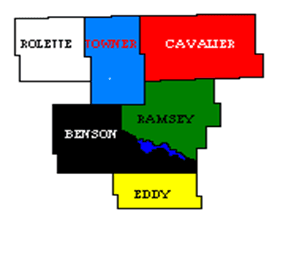
Dakota Prairie Community Action Agency (DPCAA) is one of seven Community Action Agencies operating in North Dakota. Community Action Agencies are non-profit agencies that develop programs and provide services designed to assist low income and disadvantaged households in addressing unmet needs and barriers of poverty. The areas served under this agency include Rolette, Towner, Cavalier, Benson, Ramsey and Eddy counties.
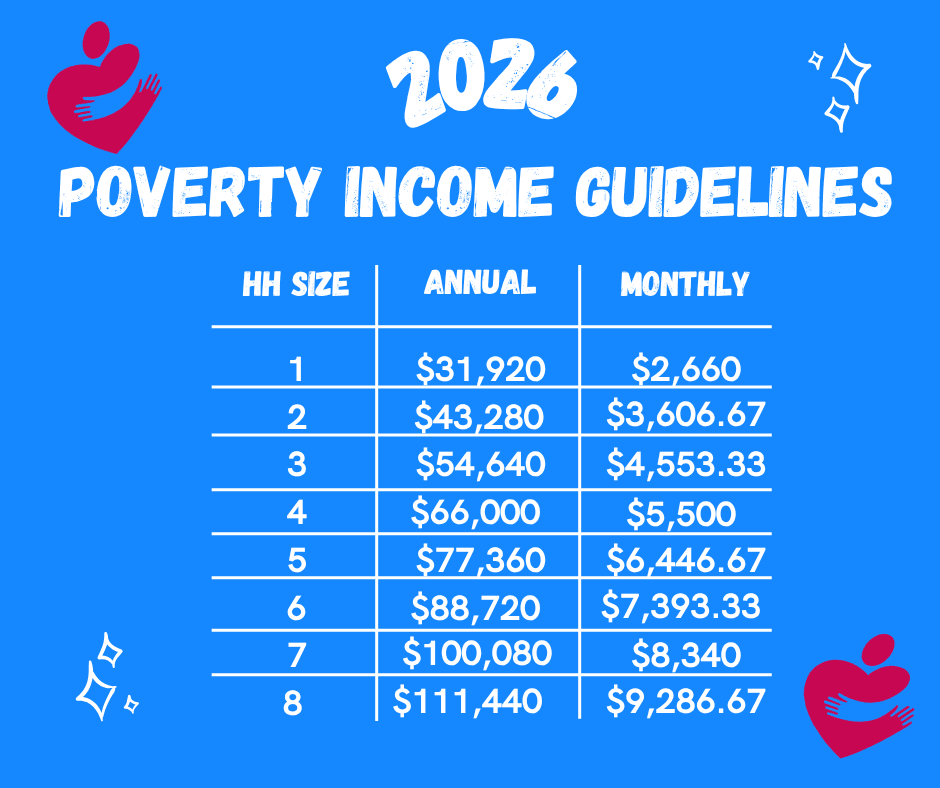
CSBG 2026 Income Guidelines
Our Mission
Dakota Prairie Community Action Agency (DPCAA) exists to provide advocacy, programs and services to mitigate the issues of poverty and improve economic self-sufficiency for all households in our communities.
DPCAA Programs & Services
-
Donations
Coat Closet
DPCAA collects winter gear as donations throughout the year. Items such as coats, hats, gloves, scarves and snow pants are available for giveaway to low income families. Please contact the office for item and size availability.
Annual Clothing Giveaway
DPCAA collaborates with other community service providers to hold an annual clothing giveaway. Good, used clothing donations are solicited and made available to those in need. It's usually held in the month of August and it's open to the public.
Diaper Depot
DPCAA accepts child and infant diapers as donations. Please call ahead for availability, as these items are very limited.
-
Emergency Assistance
Rent/Mortgage Assistance
Financial assistance with past due rent/mortgage where household is faced with an eviction or assistance with first month's rent when homeless. Help with a percentage of one month's rent amount is generally provided, leaving the household responsible for the remaining balance. Household must be homeless or faced with an eviction, have resources to pay ongoing living expenses and be at or below 125% poverty level.
Deposit Assistance
These HOME dollars will be used in emergency situations to prevent homelessness or to assist persons in transitional housing to secure permanent rental housing. Funds may also be used to assist low income families in securing a more affordable rental unit. Funds will be used only for security deposits.
Energy Support
Various programs available to help with an emergency payment of a past due utility bill to prevent eviction or homelessness. Most grants allow for help with one month's bill for a specific utility. Income eligibility varies for different grants/programs used to provide utility assistance.
Transportation Assistance
One time emergency transportation provided in the form of a gas voucher. Gas assistance requires a valid driver's license and verification of need; need must be related to employment, educational or medical.
Prescription Assistance
Limited one-time assistance to help access needed medication, until applicant is eligible for Medicaid, Rx assistance program, ect.. Narcotics are not eligible under this program.
-
Holiday Projects
Holiday Gifts
DPCAA staff coordinate community donations of gifts to be distributed to deserving children around the holiday season; activities are coordinated with community projects and agencies to avoid duplication of services.
Holiday Food Baskets
Food baskets provided to help households with extra expenses of holiday meals, generally in the month of December. (Rolla Office only)
-
Housing Improvement and Development Services
Home Rehabilitation Program
Through funds provided by a federal grant, this program is designed to rehabilitate homes of low to moderate income households. Homes are brought up to housing quality standards for health & safety issues. This program is for those at or below 80% median county income.
Cooling Program
A program to provide a cooled area in the residence for low income individuals who have a medical need or are over the age of 60. Individual must qualify for LIHEAP/fuel assistance through their county social services office and have a documented medical need or are over the age of 60.
Furnace and Water Heater Repair/Replacement
Provides assistance to low income households to offset the cost of repair or replacement of furnaces/hot water heaters that are not operating or are a health risk. Household must qualify for LIHEAP/fuel assistance through their county social services office and own their home.
Helping Hands Grant
Funds used in conjunction with weatherization funds to cover costs when there are areas of concern in the household that can't be covered with weatherization funding. At or below 150% poverty level and currently being weatherized.
CHDO/Housing Programs
Projects to develop safe and affordable housing for low income households for those at or below 80% median county income.
-
Income Management
Representative Payee Service
DPCAA staff appointed by Social Security Administration to manage the Social Security or SSI benefits of those who are unable to take care of it for themselves. Client must receive Social Security or SSI benefits.
Money Management
Provides assistance for households to develop a monthly spending plan and promotes the habit of saving and planning for future financial needs.
-
Information and Referral
Our agency will provide information and/or a referral to any services available from DPCAA or within the community with regard to the following:
- Employment Issues
- Education Issues
- Income Management
- Housing
- Emergency Situations
- Nutritional Services
- Self-Reliance
- Health Issues
- Any other services available to low income households
-
School Supplies
Basic school supplies required by the school are purchased by DPCAA and available for giveaway to eligible students. Required items and dollar amounts provided vary and are based on grade level and school list when available. Eligible students include low income, school age youth who do not qualify for any other school supply programs that are available.
-
Self-Sufficiency Services
Self-Sufficiency Program
Case management services available to assist low income clients work toward financial, employment and educational goals in an effort to decrease government dependency.
Self-Sufficiency Scholarships
Scholarships available to self-sufficiency program participants to promote educational and employment opportunities.
Employment & Educational Support
Funding and services available in support of securing and/or maintaining employment or educational related goals.
-
Volunteer Income Tax Assistance
DPCAA provides a site location for the completion of income tax returns at free of charge for income eligible households. If you are interested in volunteering or if you would like more information on the program, please call our main office to speak with a staff member.
Contact Us!
Dakota Prairie Community Action Agency
223 4th Street NE
Devils Lake, ND 58301
701-662-6500